Digital Home · Heritage

The Heritage of Simunul

A guided historical journey through place, faith, records, recognition and the living heritage of Simunul.

How this story is told

The story first. The evidence beside it.

Digital Home: Simunul distinguishes historical tradition, official records and later recognition. We do not ask visitors to browse an archive before understanding the story; the evidence appears at the moment it matters.

Editorial rule

Let the documents speak.

The Cradle of Islamic Faith
Faith & Roots
01

THE ARRIVAL OF SHEIKH KARIMUL MAKHDUM · 1380

The Cradle of Islamic Faith

Simunul occupies a significant place in the history of Islam in the Philippines.

According to the historical account preserved by the National Historical Institute's 1980 marker, Sheikh Karimul Makhdum, described there as an Arab missionary, arrived at Tubig-Indangan, Simunul, in 1380. The marker associates his arrival with the establishment of an early Muslim place of worship on the island.

The account is part of a historical tradition preserved by an official national historical marker. We present it as such, alongside later laws and government records, rather than asking the visitor to accept a single sentence without seeing its documentary trail.
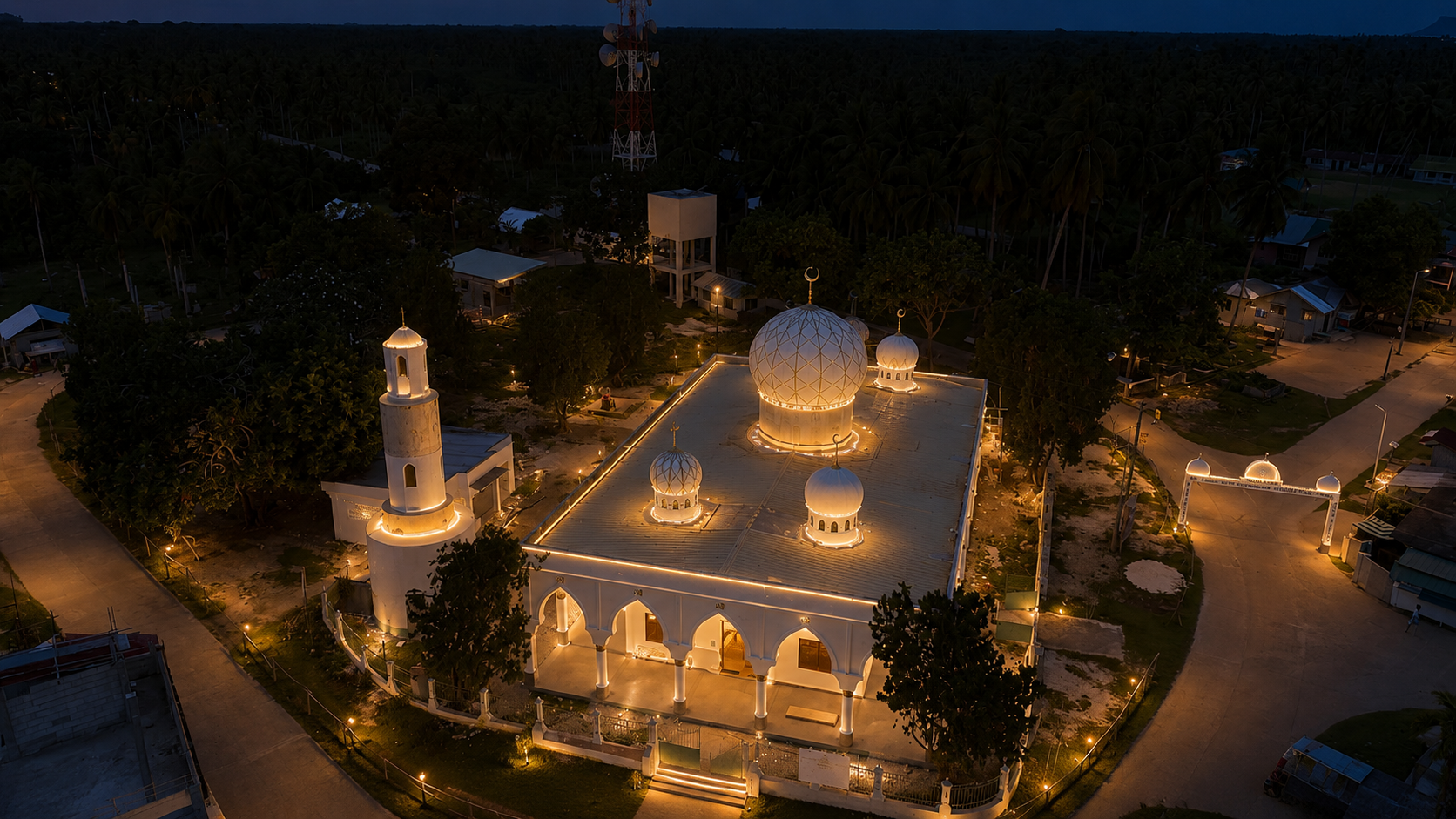

The Mosque at Tubig-Indangan
National Landmark
02

A PLACE WHERE MEMORY REMAINS

The Mosque at Tubig-Indangan

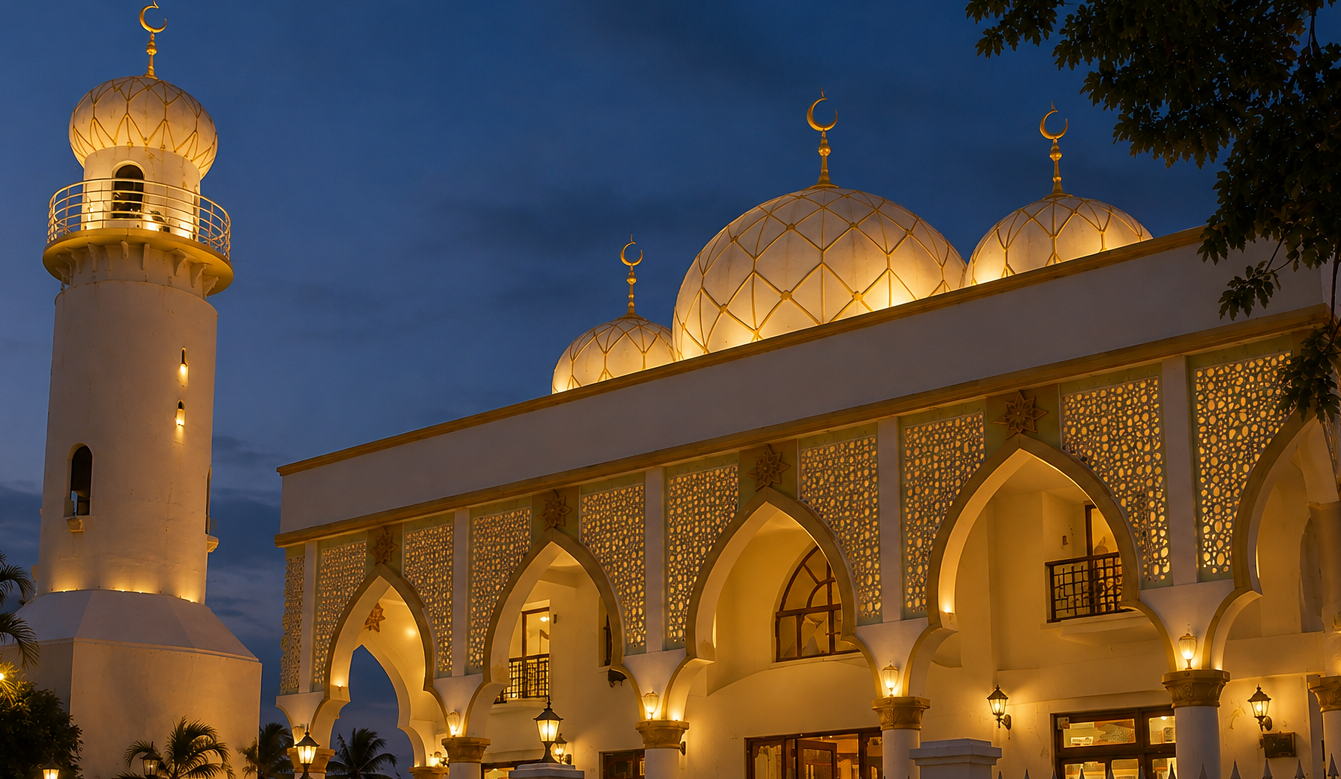
The Sheikh Karimul Makhdum Mosque is not only a story about the past. It is a physical place in Tubig-Indangan that continues to connect faith, community memory and national heritage.

Republic Act No. 10573 formally declared the mosque a National Historical Landmark. The law describes it as the site of one of the oldest existing Muslim houses of prayer or mosques in the Philippines and assigns the National Historical Commission of the Philippines responsibility for its preservation.

The Record
Documentary Trail
03

WHEN THE STORY ENTERED THE NATIONAL ARCHIVE

The Record

History is strongest when memory can be followed into records. The 1980 National Historical Institute marker is one such record: it places the Makhdum tradition at Tubig-Indangan and identifies the site as part of the historical story of Islam in the Philippines.

Digital Home: Simunul will preserve the archival trail alongside the story. Original documents supplied to the project can be opened as evidence, while official online records allow visitors to verify the public record for themselves.

Recognition Through Time
Recognition
04

MARKER · LANDMARK · NATIONAL COMMEMORATION

Recognition Through Time

The recognition of Makhdum heritage did not end with a historical marker. The site later received statutory recognition as a National Historical Landmark through Republic Act No. 10573.

In 2025, Republic Act No. 12228 declared November 7 every year as Sheikh Karim'ul Makhdum Day, a special national working holiday commemorating the establishment of the first Philippine mosque and the introduction of Islam in the Philippines.

Simunul and the Tawi-Tawi Story
Sulu · Tawi-Tawi · Simunul
05

A CHANGING POLITICAL MAP

Simunul and the Tawi-Tawi Story

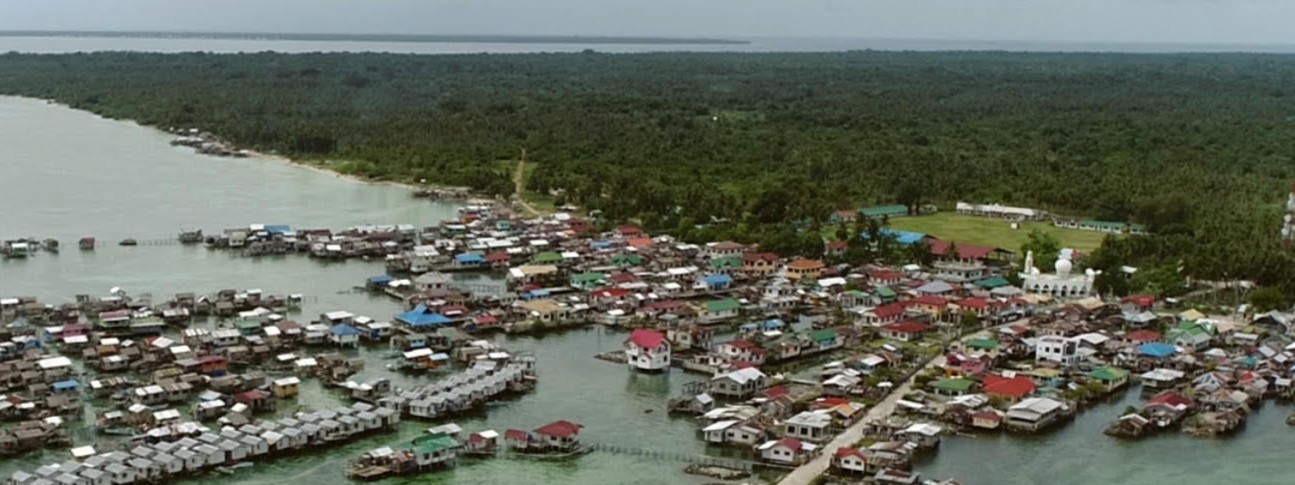
The island's present provincial identity is relatively recent compared with its much older cultural and religious history.

Presidential Decree No. 302, dated September 27, 1973, created the Province of Tawi-Tawi. Section 1 specifically named Simunul among the municipalities removed from the territorial jurisdiction of Sulu and constituted into the new province. This is the documentary link between Simunul's earlier administrative connection to Sulu and its place within Tawi-Tawi today.

History Beyond the Marker
Wider History
06

THE WIDER SULU ARCHIPELAGO

History Beyond the Marker

A historical place should never be reduced to one date, one building or one sentence. Simunul belongs to a wider maritime world in which communities, faith, language, trade and political relationships crossed islands and seas.

The next layer of Digital Home: Simunul will bring together documented history, scholarly work, community memory and material culture. Where evidence differs, the site will identify the difference instead of smoothing it away.

A Living Heritage
Living Heritage
07

THE STORY CONTINUES WITH THE PEOPLE

A Living Heritage

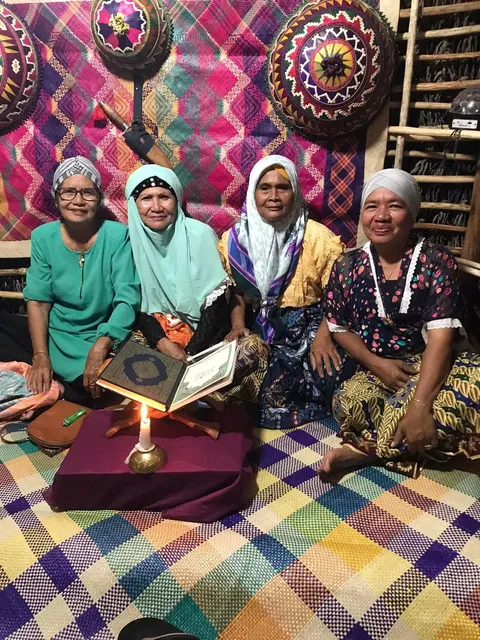
Heritage is not finished history. It lives in prayer, language, family memory, customs, places, work, photographs and the stories people still carry.

Digital Home: Simunul exists to document, preserve, educate and share those layers responsibly—so that visitors can understand why Simunul matters, and people from Simunul can see their own heritage represented with care.

The documentary trail

Four records that help anchor the story.

1980Primary record

NHCP / NHI Historical Marker

The National Historical Commission registry records the Sheik Makhdum Mosque marker at Tubig Indangan, Simunul, dated November 7, 1980. The marker preserves the traditional account of Makhdum's arrival in 1380.

View NHCP record →
2013Primary record

Republic Act No. 10573

Congress declared the Sheikh Karimul Makhdum Mosque at Tubig Indangan a National Historical Landmark and placed its preservation under NHCP supervision.

Read the law →
1973Primary record

Presidential Decree No. 302

The decree creating Tawi-Tawi removed Simunul and the other named municipalities from the territorial jurisdiction of Sulu and constituted them into the Province of Tawi-Tawi.

Read the decree →
2025Primary record

Republic Act No. 12228

November 7 was declared Sheikh Karim'ul Makhdum Day, a special national working holiday commemorating the establishment of the first Philippine mosque and the introduction of Islam in the Philippines.

Read the law →

Continue the journey

Heritage gives us the reason. Explore shows us the place.

The next door follows the shoreline, villages, islands, waterways and landmarks that make Simunul a place worth seeing for yourself.

Enter Explore →