Heritage
Where our story began.
Before history becomes a record, there is a place, a people and a memory.
The Beginning
Some stories begin
before they are written.
Simunul carries a history shaped by places, faith, journeys, people and generations. Some of what is known has been written down. Some has been preserved in places. Some continues to live in the memories of its people.
This room begins with what can be gathered, remembered and documented. As the story grows, so should our understanding of it.
What We Know
A story is built from many pieces.
Places
Places that remain.
Mosques, landmarks, old structures, coastlines and other places can help us understand the history of an island.
Records
Records that remain.
Documents, photographs, markers, archives and official records can help preserve what was recorded before us.
Memory
Memories that remain.
People carry memories of places, names, events and traditions that may not yet appear in a written record.
The Record
What has been documented.
One of the places through which the history of Simunul has been recorded is the Sheikh Karimul Makhdum Mosque in Tubig Indangan.
The National Historical Commission of the Philippines lists the Sheik Makhdum Mosque in its National Registry of Historic Sites and Structures as a Level I National Historical Landmark.
1980
A historical marker was installed.
The NHCP registry records the marker date as November 7, 1980, and identifies the National Historical Institute as the installing institution.
2013
The site was declared a National Historical Landmark.
Republic Act No. 10573, approved on May 24, 2013, formally declared the Sheikh Karimul Makhdum Mosque at Tubig Indangan, Simunul, Tawi-Tawi, a National Historical Landmark.
Source Trail
National Historical Commission of the Philippines — National Registry of Historic Sites and Structures; Republic Act No. 10573.
The Sources
Where the record comes from.
A historical record becomes more useful when we know where it came from. Digital Home: Simunul will identify the sources behind the historical material we present and distinguish records from memories and later interpretations.
01 · Official Registry
National Historical Commission of the Philippines
The NHCP National Registry of Historic Sites and Structures identifies the Sheik Makhdum Mosque in Tubig Indangan, Simunol, Tawi-Tawi, as a Level I National Historical Landmark.
Registry record · Marker dated November 7, 1980
02 · National Law
Republic Act No. 10573
Approved on May 24, 2013, the law declared the Sheikh Karimul Makhdum Mosque at Tubig Indangan, Simunul, Tawi-Tawi, a National Historical Landmark.
Republic Act No. 10573 · May 24, 2013
03 · Earlier Legal Record
Batas Pambansa Blg. 150
Approved on February 8, 1982, Batas Pambansa Blg. 150 included the Karim ul-Makhdum Mosque of Simunul among the National Cultural Treasures and provided for its preservation under the supervision and control of the National Museum.
Batas Pambansa Blg. 150 · February 8, 1982
We will show where a record comes from,
so visitors can follow the trail for themselves.
A Story Through Time
History leaves a trail.
The story is not contained in a single date. It is found in records, places, memories and the traces left across generations.
c. 1380
A beginning remembered
Historical accounts associate Sheikh Karim ul-Makhdum with Tubig Indangan, Simunul, and the establishment of the mosque around this time.
Historical account
1980
A national historical marker
The National Historical Institute installed a historical marker dated November 7, 1980. The site is now listed by the National Historical Commission of the Philippines as a Level I National Historical Landmark.
Source: NHCP National Registry
2013
Recognition by law
Republic Act No. 10573 formally declared the Sheikh Karimul Makhdum Mosque a National Historical Landmark.
Source: Republic Act No. 10573
2025
A day of remembrance
Republic Act No. 12228 established November 7 as Sheikh Karim'ul Makhdum Day nationwide.
Source: Republic Act No. 12228
What We Are Still Looking For
Something you remember
may not be found online.
Digital Home: Simunul is collecting photographs, documents, maps, newspaper clippings, memories and other materials that can help us understand and preserve the history of Simunul.
Photographs
Old photographs.
Photographs of the mosque, old markers, places, people, events and everyday life in Simunul.
Documents
Documents and records.
Old documents, maps, newspaper clippings, school records, government records, letters and other historical materials.
Memories
Memories that deserve to be heard.
Firsthand memories of people who witnessed events, remember places and names, or carry traditions and stories passed down by earlier generations.
Lost or Changed Heritage
What is no longer as it was.
Markers, structures, names, places or traditions that have disappeared, moved, changed or are no longer visible today.
A memory is not automatically a fact.
But a memory can be the beginning of finding the fact.
Share What You Know
Help us find the story.
Do you have an old photograph, document, memory, name, story or information about Simunul that may not be found online? You may have something that can help us understand the past.
01
Share a photograph.
An old photograph may help us see a place, a person, an event or a moment that is no longer visible today.
02
Share a record.
Documents, letters, maps, newspaper clippings or other historical materials may help us follow the record.
03
Share a memory.
Tell us what you remember, who told you, where it happened, or what you know about a place, person or tradition.
Every contribution will be treated as part of the search. Historical claims will be reviewed and distinguished from memories and personal accounts.
Places That Carry the Story
Light, sea, stone, people and place.
Heritage does not live only in documents. It can be found in places that remain, landscapes that surround us, and people who continue to carry the memory of Simunul.
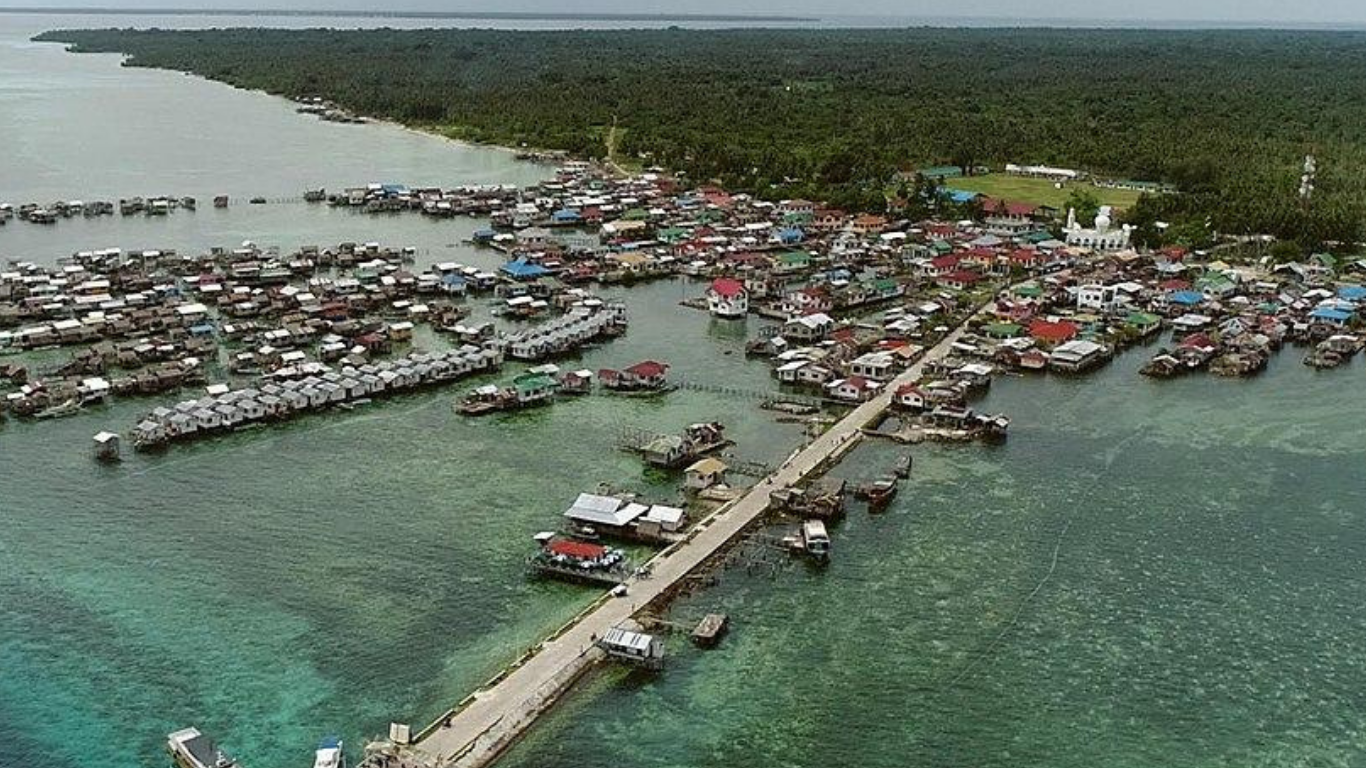
Tubig Indangan · Simunul
Place
Tubig Indangan.
A place closely connected with the heritage of Simunul and the story of the Sheikh Karimul Makhdum Mosque.
Island
Manuk-Mangkaw Island.
Surrounded by sea, Manuk-Mangkaw is part of the island landscape through which people move, arrive, leave and remember Simunul.
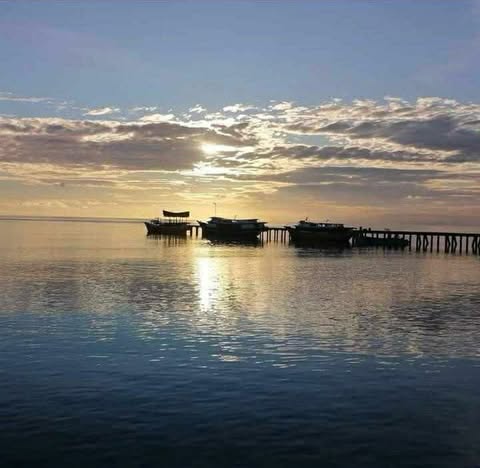
Manuk-Mangkaw Island
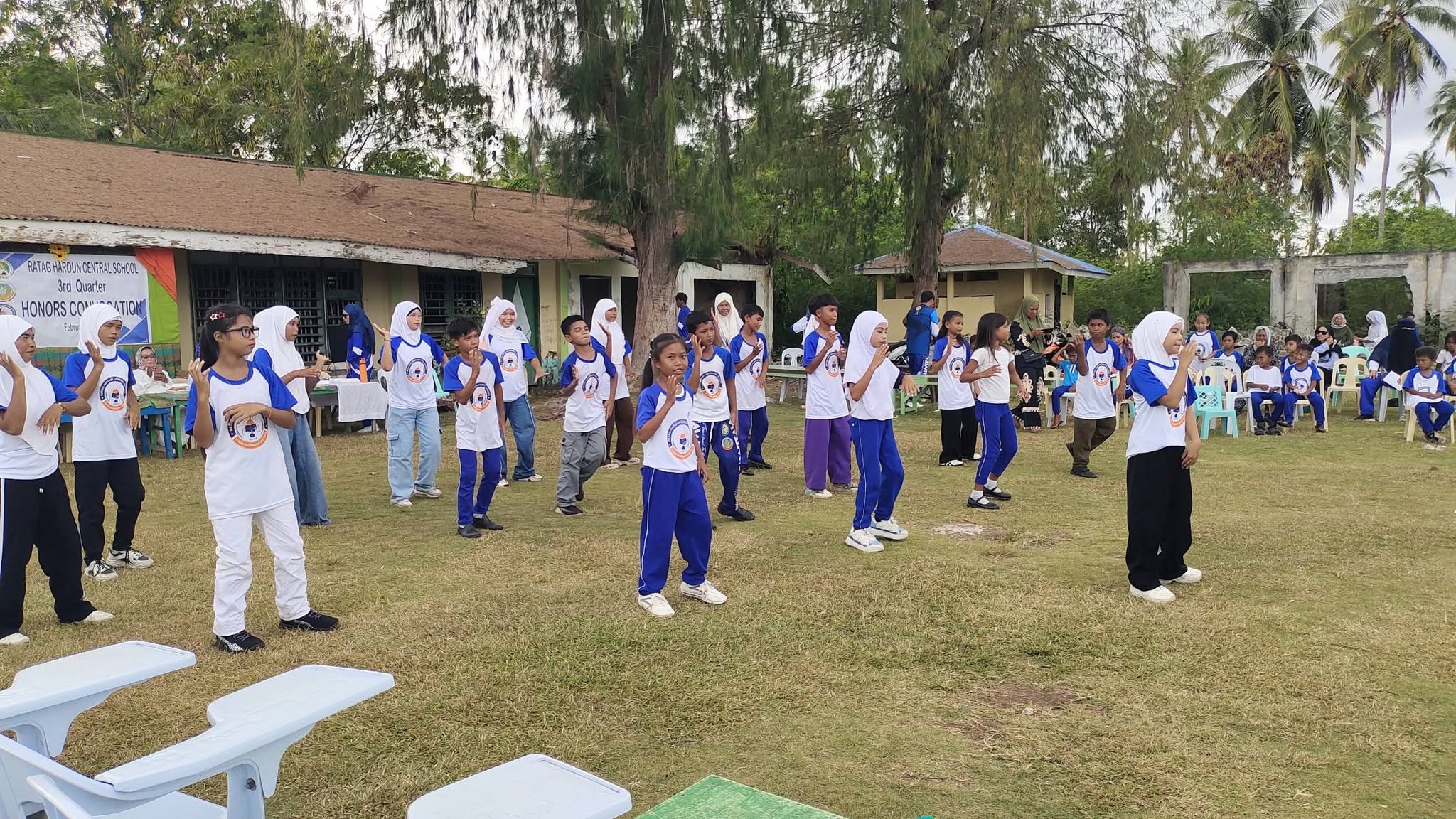
Pupils of Ratag Central Elementary School
People
Heritage lives with people.
Places and records tell part of the story. People carry names, memories, traditions and experiences from one generation to another.
Our Approach
Collect first.
Verify next.
A memory can begin a search. A record can strengthen it. A source can help us understand it.